
-
Breakers trip because something is pulling more current than the circuit allows.
-
Panels from the sixties and seventies were never sized for today's appliances.
-
A warm cover or a burning smell is an emergency, not a quirk of an old house.
-
Smart electrical panel repair in Indianapolis follows a measured load reading taken during real use.
-
Testing costs far less than replacing the wrong part twice.
Constant breaker trips usually mean a load the panel cannot carry. Electrical panel repair in Indianapolis goes better when a licensed electrician measures the house first and works out what is drawing too much current.
Plenty of Indianapolis homes run fine for years, then start knocking breakers off every Sunday when the dryer and the oven run together. That pattern means something is consuming more electricity than anticipated. Homeowners looking into electrical panel repair in Indianapolis are usually reacting to a symptom, without knowing which circuit or which piece of hardware is actually under strain.
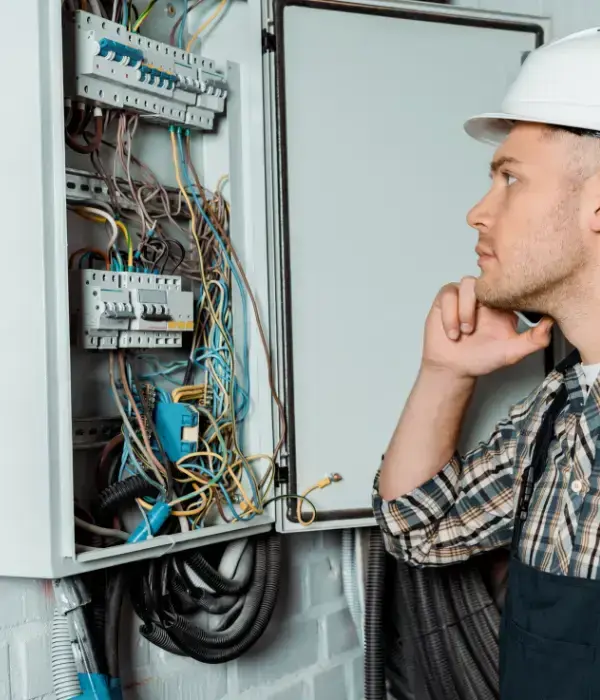
Everything in the house passes through that gray box on the basement wall. Wire sizes, breaker ratings, and the service coming off the utility drop all set a hard ceiling. Good electrical panel repair in Indianapolis begins with finding that ceiling, because swapping a breaker while the load stays the same just resets the clock.
Read the Trip before Resetting the Switch
Resets Hide the Real Story: A breaker opens when current passes the number stamped on its handle. Flipping it back on clears the annoyance and leaves whatever caused it still running. When the same breaker goes three or four times a month, that circuit is carrying weight it was never wired for, and heat builds at the connection each time.
Delay Has a Price Tag: Home inspectors open panel covers. So do insurance adjusters after a claim. Scorching on a bus bar shows up in a report and can hold up a closing or raise questions on a policy. Copper and insulation do not heal once they cook, so the repair only gets bigger. Waiting rarely saves money here.
Where the Extra Current Is Coming From
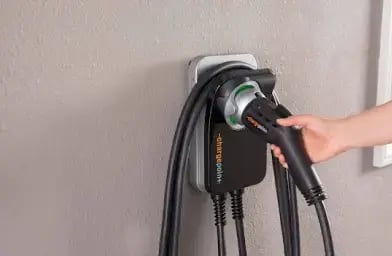
Appliance Creep Adds Up Quietly: Houses on the near east side and in Irvington were wired for a fridge, a stove, and a few lamps. Decades later the same service feeds a chest freezer in the garage, two window units, a hot tub, and maybe a car charger. Nobody resized the panel along the way.
Aging Hardware Gives No Warning: Breakers lose their calibration over decades. Lugs loosen as metal expands and contracts through Indiana summers and winters. Aluminum branch wiring, common in mid-seventies builds, corrodes at terminations and runs hotter than copper. None of that is visible with the cover screwed shut, which is why panels fail without warning.
• Kitchen and laundry sharing one circuit that worked fine in 1968.
• A 60 amp or 100 amp service running a house that now wants 200.
• Two wires jammed under one breaker screw by a previous owner.
• Rust inside the cabinet from a damp basement wall.
• Old fuse equipment still feeding live circuits.
Warning Signs Homeowners Learn to Ignore
Heat and Smell Demand Same Day Attention: Put a hand near the cover. If it feels warm, something inside is shedding energy it should be passing along. A sharp plastic smell or a steady buzz points the same direction. Those signs call for a licensed electrician that day, ahead of any other chore on the list.
Lights and Outlets Talk First: Lights dim when the air handler kicks on. A pair of outlets in one bedroom quits working. A switch plate feels warm under a finger. Families live with these for years and call them old house quirks, while an electrician reads them as a circuit running past its limit. The pattern usually points back to the panel.
What a Proper Load Assessment Turns Up
Numbers Settle the Argument: An electrician clamps a meter on the service conductors during peak use, checks torque at every lug, and scans for heat under load. That reading shows whether one breaker failed or the whole service is maxed. Electrical panel repair in Indianapolis done on that basis fixes the right thing the first time.
Permits Protect the Homeowner: Panel work in Marion County needs a permit and an inspection, plus a utility coordination step when the meter has to come off the wall. Some homeowners see that as red tape. That paperwork is the only proof the finished job meets code, and it holds up later at closing or with an insurer.
A House That Runs without Flinching
No home should have to ration power between the dryer and the oven. One visit with a clamp meter and a torque wrench usually settles what is really going on behind the cover. Book a no pressure assessment with a licensed master electrician, ask for the readings in writing, and decide from there.
READY TO SCHEDULE A FREE PANEL ASSESSMENT?
Zach Zimmerman
Zach is a dedicated electrical professional who leads Zimmerman Electric Indy with a focus on honest, expert craftsmanship. He specializes in ensuring every project—from 200-amp panel upgrades to complex commercial buildouts—is 100% code-compliant and safe for Central Indiana families.